Blog

  • Neelakurinji Blooms in Periyar Tiger Reserve

    Neelakurinji Blooms in Periyar Tiger Reserve

    About Neelakurinji in Periyar Tiger Reserve

    This post unveils a rare natural phenomenon: the blooming of the Neelakurinji (Strobilanthes kunthiana) in the high-altitude grasslands of Mangaladevi, within the heart of the Periyar Tiger Reserve, Kerala ( Neelakurinji in Periyar Tiger Reserve ) . Usually famous for the sprawling blue carpets in Munnar, this surprise appearance in a strictly protected tiger habitat marks a significant ecological event. Occurring once every 12 years, the bloom coincides with the historic Mangaladevi Chitra Pournami festival. This blog explores the botanical marvel, the cultural legends of the Kannagi temple, and the vital importance of conserving the fragile ecosystem of the Western Ghats, inviting global travelers and nature enthusiasts to appreciate this hidden blue treasure of India.


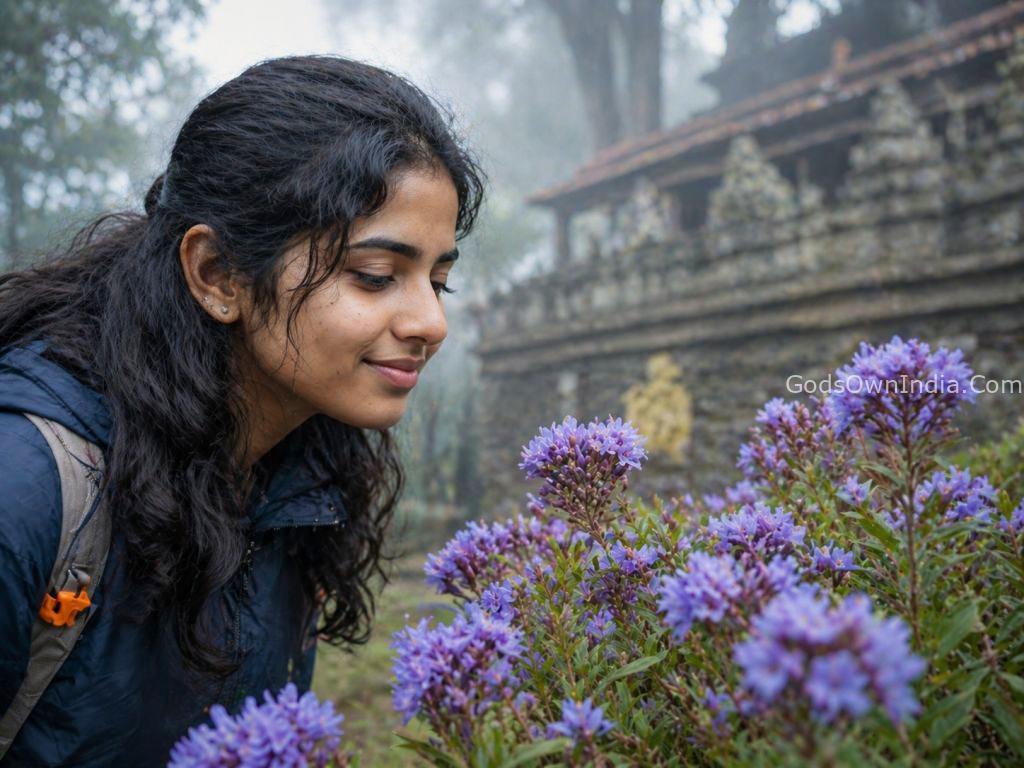
    Kerala youth advocates for wildlife conservation in the Periyar Tiger Reserve.

    The Blue Awakening: Rare Neelakurinji Bloom Discovered in Periyar Tiger Reserve

    The Western Ghats of India, a UNESCO World Heritage site, is a treasure trove of biodiversity. But every twelve years, it offers something truly celestialโ€”the blooming of the Neelakurinji. While the world usually looks toward the hills of Munnar for this purple-blue spectacle, 2026 has brought a magnificent surprise. In the deep, restricted core of the Periyar Tiger Reserve, near the ancient Mangaladevi Temple, the hills have quietly turned blue.

    The Science Behind the Spectacle: Strobilanthes kunthiana

    The Neelakurinji (Strobilanthes kunthiana) is more than just a beautiful flower; it is a botanical wonder. It belongs to the genus Strobilanthes, which contains about 250 species, but kunthiana is the most famous due to its strict 12-year blooming cycle.

    These plants are “gregarious bloomers,” meaning a whole population flowers simultaneously, produces seeds, and then dies, leaving behind a new generation of seedlings to wait another decade. Scientists often refer to this as “masting,” a survival strategy that ensures enough seeds survive to continue the species. The honey produced during this season by the Apis cerana (Indian honey bee) is considered a medicinal delicacy, highly sought after for its unique flavor and health benefits.

    Mangaladevi: Where Faith Meets Wilderness

    The discovery of the bloom near the Mangaladevi area is particularly significant. Located at an altitude of 1,337 meters, the Mangaladevi Kannagi Temple is a 1,000-year-old stone structure dedicated to the legendary heroine Kannagi from the Tamil epic Silapathikaram.

    The temple is usually closed to the public, opening only once a year for the Chitra Pournami Festival. For pilgrims trekking through the dense forest, the sight of the Neelakurinji is seen as a divine blessing. It creates a surreal atmosphere where the ancient grey granite of the temple contrasts sharply with the vibrant blue of the hills.

    Conservation in a Tiger Habitat

    The Periyar Tiger Reserve (PTR) is recognized as one of the best-managed tiger reserves in India. The fact that the Neelakurinji is blooming in a “no-entry” zone is a testament to the success of conservation efforts. These areas are home to the Bengal Tiger, Asian Elephant, and the rare Nilgiri Tahr.

    Because this specific bloom is in a restricted area, it remains untouched by the heavy footfalls of mass tourism. This is crucial for the environment. The soil in these high-altitude grasslands is incredibly fragile. By restricting access, the Forest Department ensures that the natural cycle of the Neelakurinji remains undisturbed, allowing the seeds to settle and the ecosystem to breathe.

    Why the World Should Care

    The Neelakurinji is an “ecological indicator.” Its health reflects the health of the entire Shola forest-grassland complex of the Western Ghats. These mountains are the water towers of Southern India, feeding rivers like the Periyar and the Pamba.

    For the international traveler, this event serves as a reminder of the delicate balance of our planet. As we face global climate challenges, the survival of a plant that waits 12 years to show its face is a symbol of resilience and the enduring power of nature.

    A Message from Kerala to the World

    Kerala, often called “Godโ€™s Own Country,” is leading the way in sustainable tourism initiatives. We invite the world to look at these wonders not just as photo opportunities, but as a call to protect our wild spaces.

    If you are planning a visit to Kerala, ensure your travel is eco-friendly. Support local communities and respect the rules of the forest departments. You can learn more about the incredible wildlife management in India at the National Tiger Conservation Authority.

    HashTags: #Neelakurinji #PeriyarTigerReserve #Mangaladevi #KeralaTourism #WesternGhats #StrobilanthesKunthiana #WildlifeConservation #GodsOwnCountry #NatureWonders #RareBloom #EcoTourism #Idukki #Thekkady #IndiaTravel #ExploreKerala #BlueHills #Wildflowers #TigerReserve #NaturePhotography #SustainableTravel #Neelakurinji in Periyar Tiger Reserve


  • Tadiandamol Survival: A Hiker’s Crucial Guide

    Tadiandamol Survival: A Hiker’s Crucial Guide

    The 72-Hour Survival at Tadiandamol Peak: A Trekking Safety Masterclass

    About Tadiandamol Trekking Safety

    This post analyzes the harrowing 72-hour survival of a solo trekker at Tadiandamol Peak, the highest point in Coorg, Karnataka. What began as a scenic adventure turned into a life-or-death struggle when a young woman became separated from her group in the dense, elephant-inhabited forests of the Western Ghats. By breaking down the eventsโ€”from the moment of getting lost to the strategic mental choices that led to her rescueโ€”we provide a comprehensive safety guide for the global trekking community. This article aims to bridge the gap between human error and wilderness survival, offering actionable advice for hikers to ensure their adventures remain safe and responsible.


    This image illustrates the breathtaking height and the unpredictable weather patterns of the Western Ghats

    Beyond the Mist: Lessons from the 72-Hour Survival at Tadiandamol Peak

    The Western Ghats of India, a UNESCO World Heritage site, are as treacherous as they are beautiful. For trekkers, Tadiandamol Peak in Coorg is a crowning jewel, rising 1,748 meters into the clouds. However, a recent incident involving a young IT professional from Kochi has sent shockwaves through the trekking community, serving as a stark reminder that nature demands absolute respect.

    The Thin Line Between Adventure and Danger

    The Allure of the Highest Peak in Coorg

    Tadiandamol attracts thousands of hikers annually with its rolling grasslands and shola forests. The trail is generally considered “moderate,” but the terrain changes rapidly with the weather. In the recent incident, the trekker arrived solo. Because solo trekking is prohibited, she was attached to an existing groupโ€”a common practice that can create a false sense of security if communication isn’t crystal clear.

    The Moment the Trail Vanished

    The Danger of the Shortcut

    As the group began their descent, fatigue and the desire to reach the base quickly led the trekker to attempt a shortcut. In a landscape where the mist can drop visibility to near zero in seconds, losing the marked trail is a recipe for disaster. Within moments, she was separated from her group and the sounds of civilization faded, replaced by the deep, intimidating silence of the Karnataka wilderness.

    Survival Against the Odds

    The 72-Hour Battle in Elephant Territory

    Surviving four days in a forest inhabited by wild elephants and leopards, with only 500ml of water and no cellular signal, is nothing short of miraculous. Her survival wasn’t just luck; it was a result of key psychological choices:

    1. Conserving Resources: She treated her limited water supply with extreme discipline, taking only tiny sips to stay hydrated without depleting her stock.
    2. Staying Put: Instead of wandering deeper into the valleyโ€”which is a common instinctโ€”she eventually stayed in one area. This allowed search parties using drones and sniffer dogs to narrow down her location.
    3. Mental Fortitude: Surviving the cold nights and the fear of predators requires immense mental strength. Her ability to remain calm prevented the “panic-running” that often leads to fatal falls in the mountains.

    The Global Trekkerโ€™s Checklist

    Essential Safety Protocols for the Western Ghats

    To ensure your journey to Tadiandamol or any global peak remains a story of joy rather than survival, follow these non-negotiable rules:

    • The 3-Liter Rule: Always carry more water than you think you need. Hydration is the key to maintaining clear judgment.
    • Technological Backup: Never rely solely on a phone. Carry a physical whistle and learn how to use Offline Maps or a dedicated GPS device.
    • The “S.T.O.P” Method: If you lose the trail, Sit, Think, Observe, and Plan. Do not keep moving if you are unsure of the direction.

    20x Hashtags: #Tadiandamol #Coorg #TrekkingSafety #WesternGhats #SurvivalGuide #GodsOwnIndia #KeralaTravel #OutdoorSafety #MountainHiking #KarnatakaTourism #HikingTips #NatureSurvival #EcoTourism #AdventureTravel #WildlifeSafety #SoloTrekking #TravelBlogger #IndiaTrekking #Resilience #SafetyFirst


    Conclusion: A Return to the Wild with Wisdom

    Travel Responsibly with Gods Own India

    At Gods Own India, we celebrate the spirit of exploration. The survival of the Kochi trekker is a testament to human resilience, but it also highlights the need for better forest monitoring and individual responsibility. As you plan your next trek through the majestic landscapes of Kerala and Karnataka, remember that the goal isn’t just to reach the summitโ€”itโ€™s to return home with a story to tell.

    A powerful image representing the mental discipline required to survive when lost in the wilderness.
  • Fort Kochi and Mattancherry

    Fort Kochi and Mattancherry

    The Portal to Old World Charm: A 24-Hour Odyssey Through Fort Kochi & Mattancherry

    Fort Kochi and Mattancherry: A 24-Hour Time Travel

    Imagine walking through a street where the air smells of ginger and cloves, the walls whisper stories of Portuguese explorers, and the horizon is dotted with 14th-century fishing nets. This isn’t a movie set; itโ€™s the twin heritage towns of Fort Kochi and Mattancherry.

    For the global traveler, Kochi is not just a city; itโ€™s a living museum. As an international operator at Gods Own India, weโ€™ve seen travelers from New York to Tokyo stand in awe of this “Queen of the Arabian Sea.” Can you see it all in one day? Yes. And here is how you do it while shaking the very foundations of your travel expectations.


    Intricate wall paintings inside the Mattancherry Dutch Palace Kochi.

    The Morning Whisper โ€“ Fort Kochiโ€™s Colonial Legacy

    The Giant Sentinels: Chinese Fishing Nets

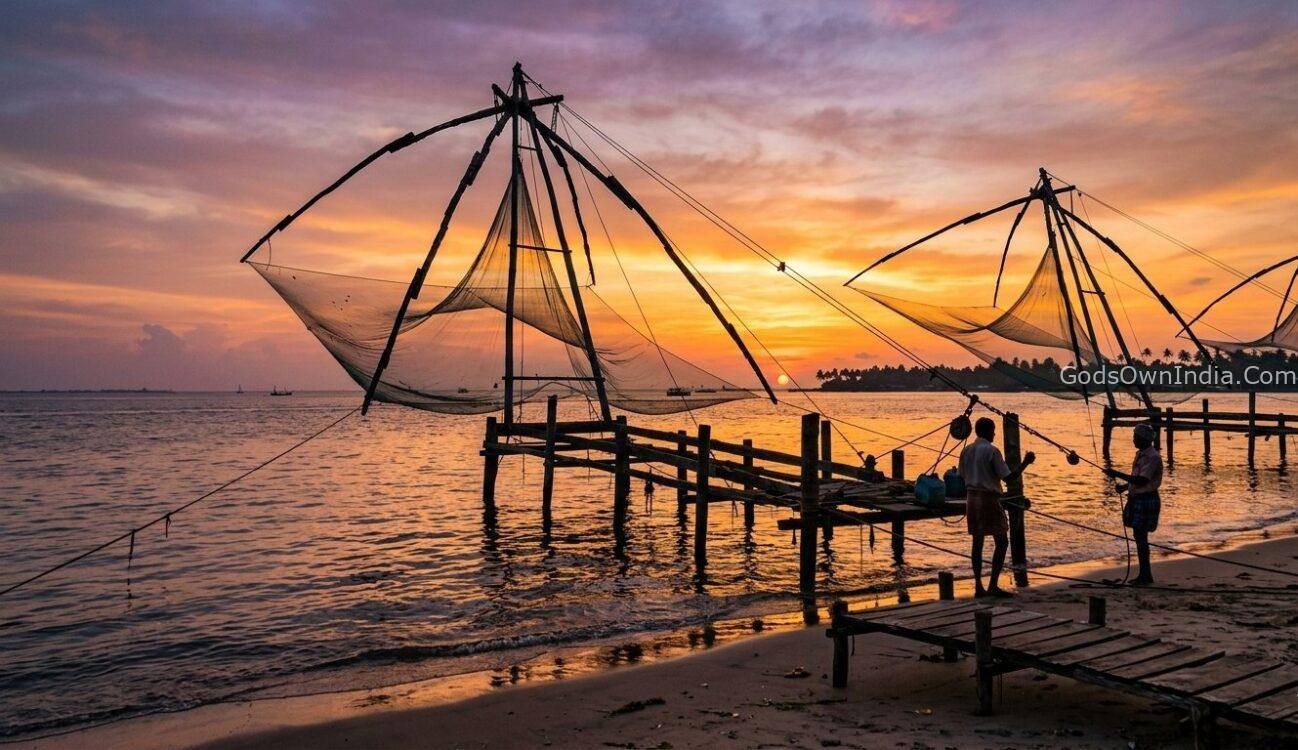
    Start your day at 7:00 AM. The Chinese Fishing Nets (Cheena Vala) are the iconic silhouette of Kerala. Legend has it they were introduced by traders from the court of Kublai Khan. Watching the massive cantilevered structures dip into the golden morning waters is a meditative experience.

    Footsteps of Explorers: St. Francis Church

    A short walk away lies the St. Francis Church, the oldest European church in India. It once housed the remains of the legendary explorer Vasco da Gama. Standing here, you realize you are at the exact spot where the age of global discovery began.

    Pro-Tip: Donโ€™t miss the Santa Cruz Basilica nearby. Its Gothic architecture and pastel interiors rival the cathedrals of Europe.


    The Noon Transition โ€“ A Feast for the Senses

    Art, Cafes, and Culture

    Fort Kochi is the heart of the Kochi-Muziris Biennale, Asiaโ€™s largest art festival. Even if the festival isn’t on, the street art is world-class. Stop for a “Kochi Roast” coffee at a local heritage cafe like Kashi Art Cafe.


    The Afternoon Soul โ€“ Mattancherry & The Spice Route

    A 10-minute rickshaw ride transports you from the colonial “Fort” to the bustling “Bazaar” of Mattancherry.

    The Mattancherry Palace (Dutch Palace)

    Donโ€™t let the name fool you. Built by the Portuguese and gifted to the Kochi Raja, this palace holds some of the most stunning Hindu murals in the world, depicting the Ramayana in vibrant, natural pigments.

    The Jew Town & Paradesi Synagogue

    Step into Jew Town, and youโ€™re stepping into a melting pot of cultures. The Paradesi Synagogue (built in 1568) is a marvel with its hand-painted Chinese willow tiles and Belgian glass chandeliers.

    Learn more about India’s diverse religious history via UNESCOโ€™s World Heritage sites or explore the cultural depth on Lonely Planet.

    TimeLocationExperience
    07:30 AMFort Kochi BeachWatch the Chinese Fishing Nets in action.
    09:30 AMSt. Francis ChurchVisit the original burial site of Vasco da Gama.
    11:00 AMPrincess StreetPhotography and souvenir shopping.
    01:00 PMLocal EateryTry the ‘Karimeen Pollichathu’ (Pearl Spot Fish).
    02:30 PMDutch PalaceExplore the royal murals of Mattancherry.
    04:00 PMJew TownShop for antiques and aromatic spices.
    06:00 PMKathakali CentreWatch the elaborate makeup and dance of Kerala.

    Conclusion: Why This Will Change You

    Kochi isn’t just a destination; it’s a feeling of being interconnected with the world’s history. When you share this, you aren’t just sharing a travel tipโ€”you are sharing the story of humanity’s resilience and diversity.

    Join us at Gods Own India as we bridge the gap between you and the extraordinary.

    #Kochi, #Kerala, #Fort Kochi, #Mattancherry, #India Travel, #Heritage, #Colonial History, #Spice Market, #Jewish Synagogue, #Dutch Palace, #Chinese Fishing Nets, #Travel Blog, #Gods Own India, #Luxury Travel, #Backwaters, Art Cafe, #Vasco da Gama, #Biennale, #Photography, #One Day Trip, #Kochi heritage tour, #Kerala spice market history

    Colorful antique shops and spice sacks in Jew Town Mattancherry.